Saddle Nose Deformity: How I Rebuild a Stable, Natural Nasal Bridge
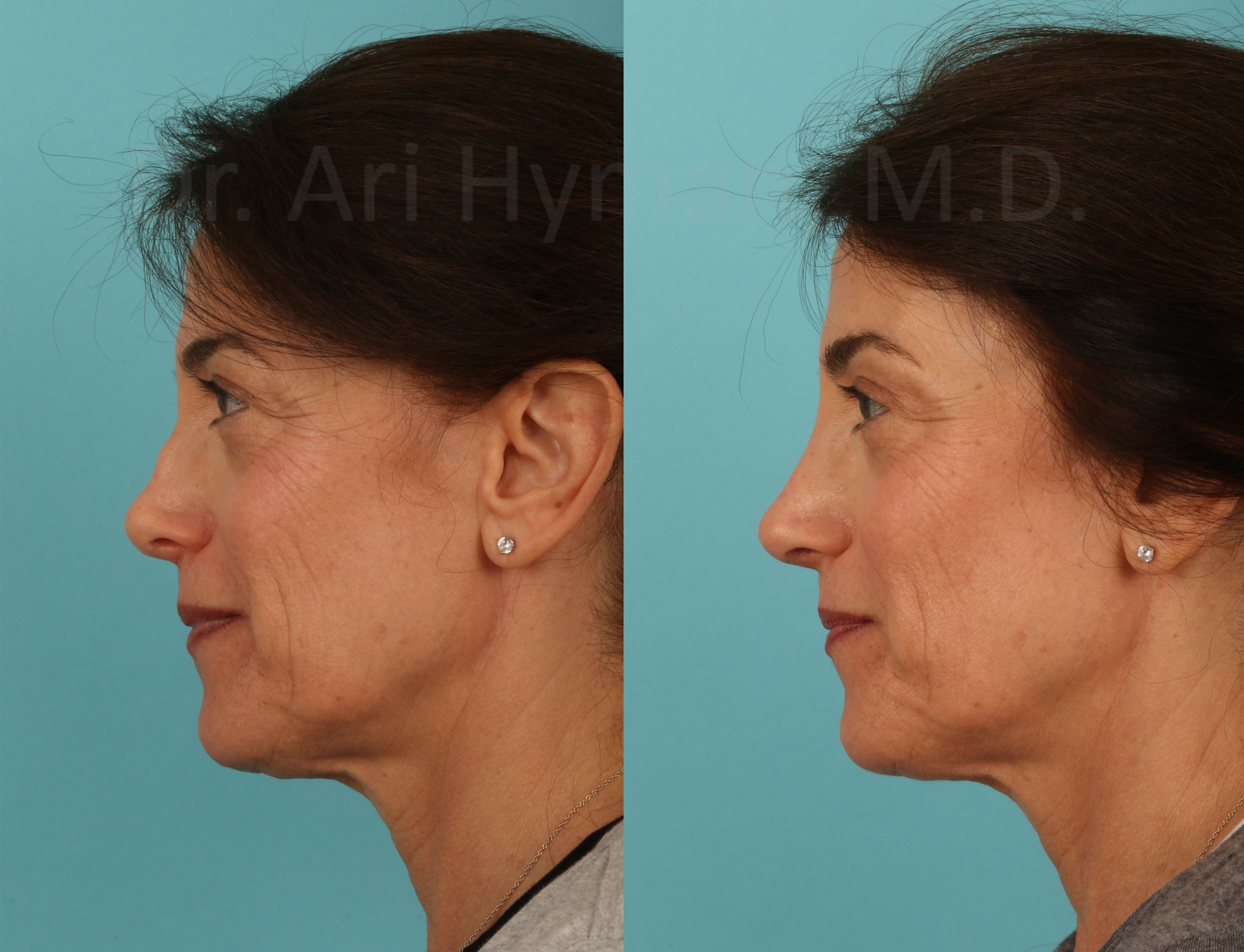
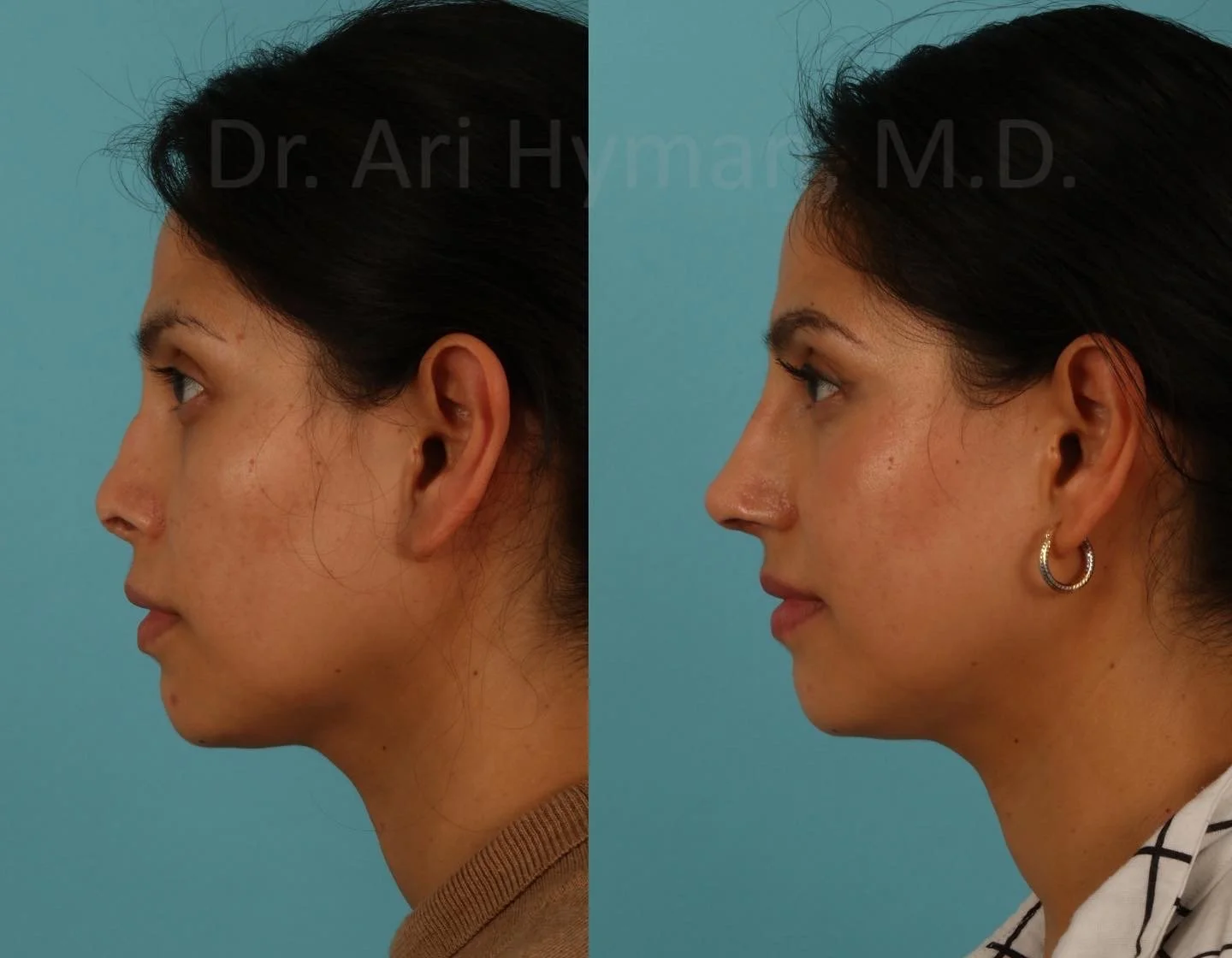
Saddle nose deformity occurs when the bridge of the nose collapses downward, creating a scooped or sunken appearance. It can affect both appearance and breathing, and almost always requires structural reconstruction to restore proper support.
Here’s how I evaluate and repair saddle nose deformity in a reliable, long-lasting way.
What Causes Saddle Nose?
Common causes include:
previous rhinoplasty or septoplasty
trauma
infection
septal perforation
autoimmune conditions
collapse from over-resection of cartilage
overuse of nasal drugs leading to collapse of the middle one 3rd of the nose.
The underlying issue is loss of structural support in the dorsal septum and midvault.
Symptoms
Patients may experience:
visible bridge collapse
difficulty breathing
nasal obstruction
whistling or airflow changes if a perforation is present
widening of the middle vault
tip drooping or loss of definition
My Approach to Saddle Nose Reconstruction
Saddle nose repair requires rebuilding the dorsal support using strong, stable grafts. My approach focuses on restoring structure and straightening the nose from the inside out.
1. Structural Cartilage Grafting
I rebuild the bridge using:
costal cartilage (when needed for major support)
rarely septum can be used in a primary with a subtle saddling.
layered or L-strut reconstruction
2. Septal Extension Graft
This stabilizes the tip and prevents future drooping or collapse.
3. Spreader Grafts
Rebuild and support the internal nasal valve and midvault.
4. Dorsal Augmentation
Using tall spreaders with or without an onlay over this.
5. Precision Osteotomies / Ultrasonic Tools
To realign bones and restore symmetry when needed.
Goals of Repair
My goal is to restore:
a smooth, natural nasal bridge
balanced projection
improved breathing
symmetry
strong support that lasts
A successful repair should look natural — not overly built or rigid.
Who Is a Candidate?
You may benefit from saddle nose repair if you have:
visible bridge collapse
breathing issues
prior trauma or surgery
a drooping or weakened tip
structural instability on exam
Bottom Line
Saddle nose deformity requires true reconstruction, not cosmetic reduction. With strong cartilage grafting, structural rebuilding, and precise anatomical support, I restore both function and appearance in a stable, lasting way.